
In a ceremony led by Lehigh students, the Mission of Switzerland became the ninth United Nations Mission to be certified by the Greening of the UN Missions program. Of those Missions certified, Switzerland is one of only three to achieve Platinum, the highest level.
Greening of the UN Missions is a collaboration between the United Nations Environment Programme (UNEP) and Lehigh University, which began in 2018. Building on Lehigh’s relationship with the United Nations, which dates back to 2004, Lehigh is the only university in the world to work with the UNEP in this capacity. During the certification process, Lehigh’s student team works as a consulting group to help United Nations Missions become more sustainable, assisting them in fulfilling aspects of the UN Sustainable Development Goals (SDGs).
The Lehigh team was tasked with certifying the Permanent Mission of Switzerland after the mission expressed interest in the program. The team visited the mission’s New York City office in November for an initial baseline meeting. Following a baseline review, the Swiss earned 75.5 points, placing them at the Gold level of certification. The Lehigh team then provided the Mission staff with recommendations that enabled it to earn an additional 22 points, which was enough to achieve Platinum certification.
The certification ceremony began with opening remarks from Ambassador Pascale Baeriswyl, Permanent Representative of Switzerland to the UN, and Jamil Ahmed, Director of Intergovernmental Affairs at UNEP New York. Then the Lehigh team presented their findings, which highlighted the Swiss’ commitment to sustainability.
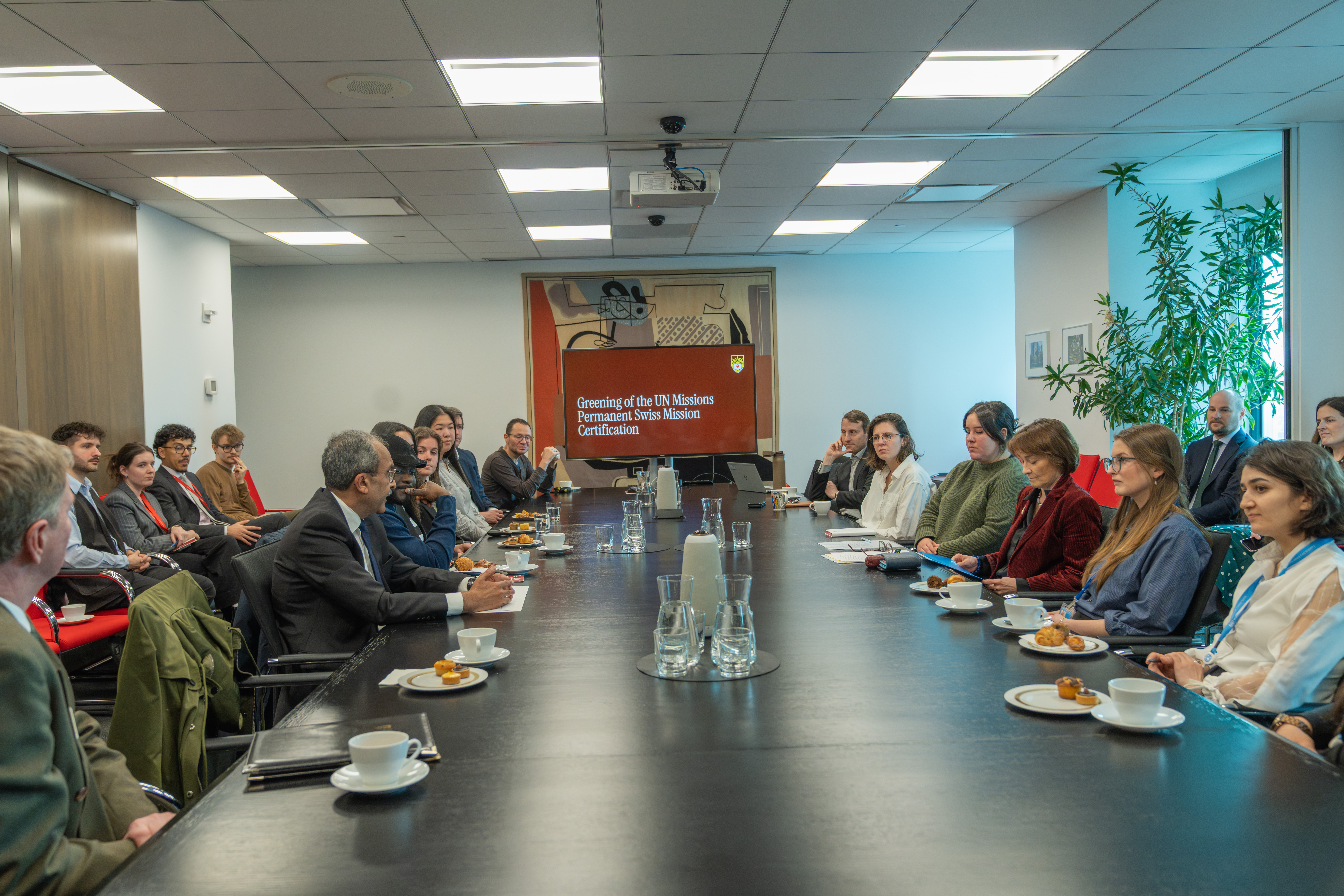
“Receiving this certification is an important milestone for the Mission,” according to a communique from the Swiss Mission. “It recognizes the continuous efforts we have made over the years to integrate sustainability into our daily operations, while also encouraging us to go further. We see it not as an end point, but as a reflection of an ongoing commitment — one that we hope can also inspire other missions to pursue similar paths.”
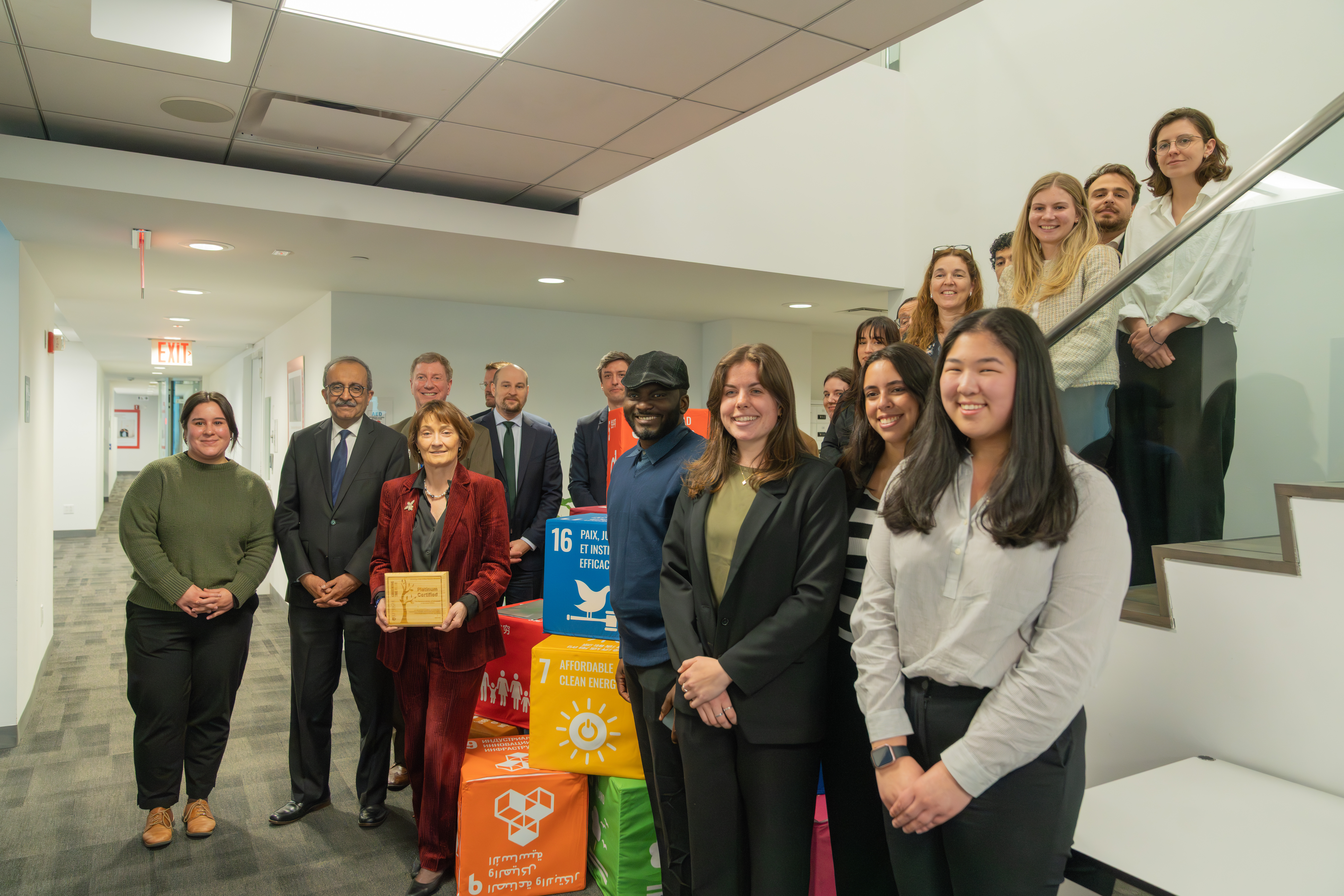
Permanent Mission of Switzerland’s Robust Sustainability Infrastructure & Practices
Sustainability was already deeply embedded in the mission’s daily operations. The office uses LED lighting, energy-conscious kitchen practices, sustainable cleaning supplies, recyclable hand towels, reusable coffee pods, composting, building-managed recycling, digital filing systems, and biannual electronic waste drives.
“The introduction of compost and recycling bins has proven to be a simple yet highly effective sustainability initiative, significantly reducing the amount of waste sent to landfills,” according to the communique. “By diverting organic materials to composting and ensuring recyclable items are properly sorted, this measure helps lower greenhouse gas emissions, conserve natural resources, and support a more circular waste system, making it an impactful step toward reducing the organization’s overall environmental footprint.”
Beyond office operations, the mission also emphasizes sustainability through education and community initiatives, including its brown bag lunches, workshops, green awareness efforts, and local art and clothing drives. The Mission has made a strong commitment to documenting and tracking catering vendors that are minority-owned, small businesses, and women-owned. It already works with Eat Offbeat, a company that celebrates the culinary talents of New York City’s top refugee and immigrant chefs, and plans to expand its vendor options to reflect an even broader range of DEI considerations while continuing to serve exclusively vegetarian meals.
“Looking ahead, sustainability will remain a core priority for the Mission, both in terms of consolidating existing measures and exploring new areas for improvement,” A communique from the Permanent Mission of Switzerland said. “The recommendations provided through this process offer a valuable roadmap for our mid- and long-term efforts. At the same time, we see increasing potential in strengthening collaboration with other missions. For example, through existing initiatives such as the Green Mission Alliance, to share best practices and amplify collective impact. Ultimately, we believe that sustained progress will come from embedding practical, everyday actions across the Mission and by reaching out to others.”
The Mission of Switzerland joined the likes of the Mission of Denmark and the Mission of Canada, which had previously achieved this elite level of certification.
About the Lehigh Team
The team behind this program at Lehigh is a collaboration between the LU/UN Partnership’s Bill Hunter, the Office of Sustainability’s Kelley Versocki and Maggie Sobaszek, and four students: Grace Alto ‘26, Sam Anderson ‘26, Fernanda Sena ‘27, and Oye Oloyede ‘28.
“It’s a unique privilege for Lehigh to be the only university in the world to consult Missions on how they can be more sustainable,” Kelley Versocki, Lehigh Sustainability Marketing & Engagement Manager, said. “And it’s a pleasure to work with each year’s cohort of Lehigh students, who never cease to impress me with their passionate and pragmatic pursuit of making a tangible difference in our ever-changing world.”
This year’s student team is an excellent mix of essential skill sets that include environmental engineering, data analytics, and communications, and it spans from undergraduate to doctoral students. With a range of perspectives and shared commitment to sustainability, the group was well-positioned to collaborate efficiently and produce meaningful, mission-focused work.
“It is so cool as a college student to be able to visit different United Nations Missions and get a deep look at their approaches to sustainability,” Sam Anderson ‘26 said. “Learning from all these missions is so valuable because every mission we visit has new ideas and new approaches that we can carry forward both at Lehigh and in our future work.”
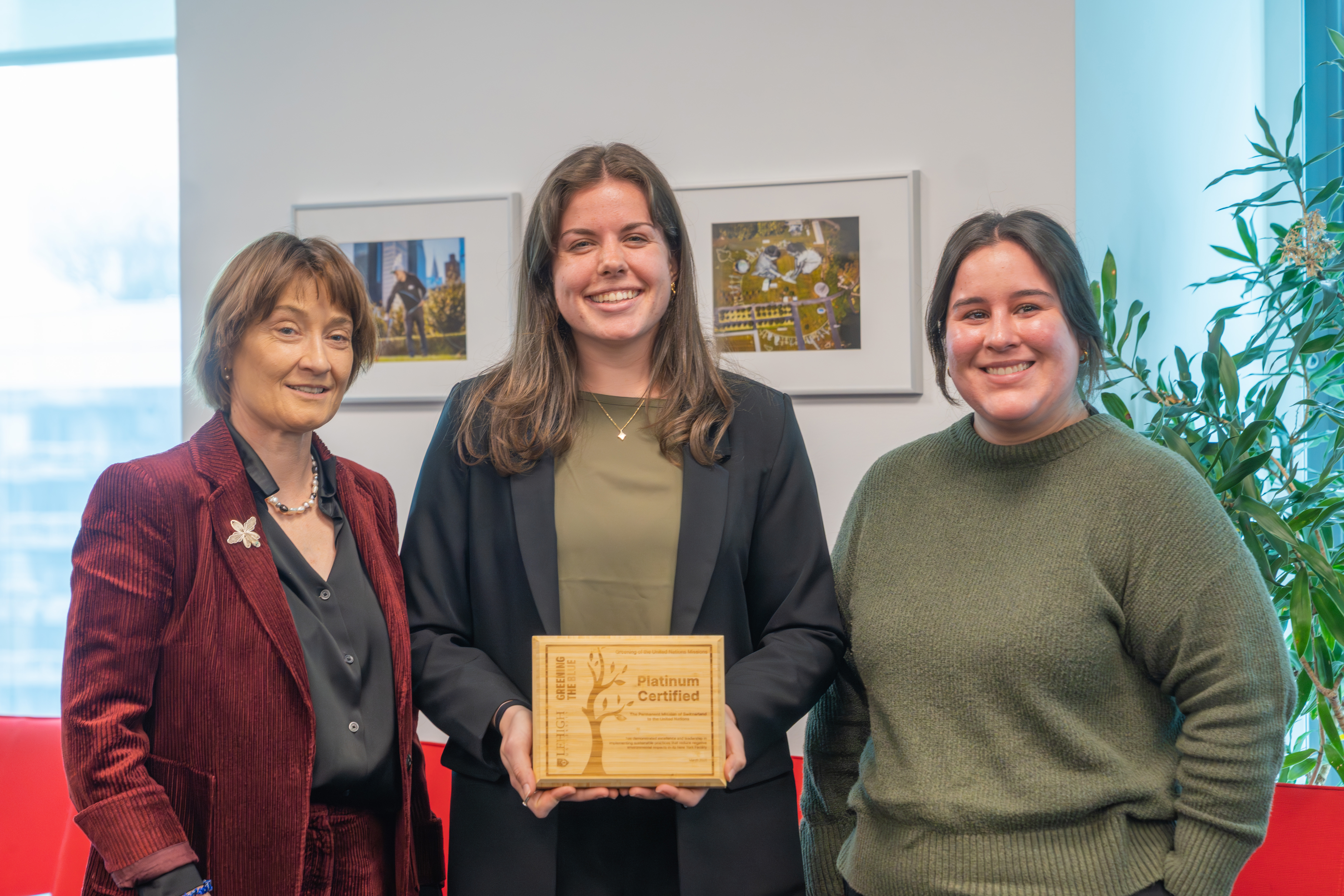
The program seeks to certify all 193 United Nations Missions, so there is significant momentum and a clear need to scale. The goal is to certify four to six Missions each semester in the future, which the program leaders are confident is achievable given the number of students eager to participate.